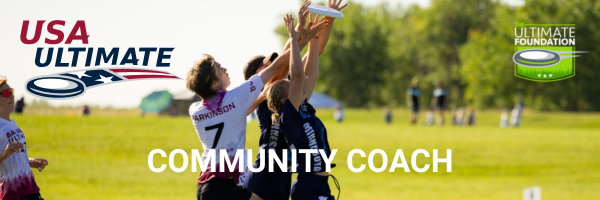
This Fall USA Ultimate released the brand new Community Coach Program, a FREE training program for adults teaching young beginning ultimate players. The course is geared toward adults with limited ultimate experience whose expertise lies in working with youth. This could be PE teachers, parents, or other adults interested in helping spread the word about ultimate.
The Ultimate Foundation is excited to support the release of this new program that aligns with our funding priorities of fostering access, growing youth ultimate, and investing in communities. Below is an interview with Sam Callan, USA Ultimate’s Youth and Education Program Manager, who was the driving force behind this new USA Ultimate program.
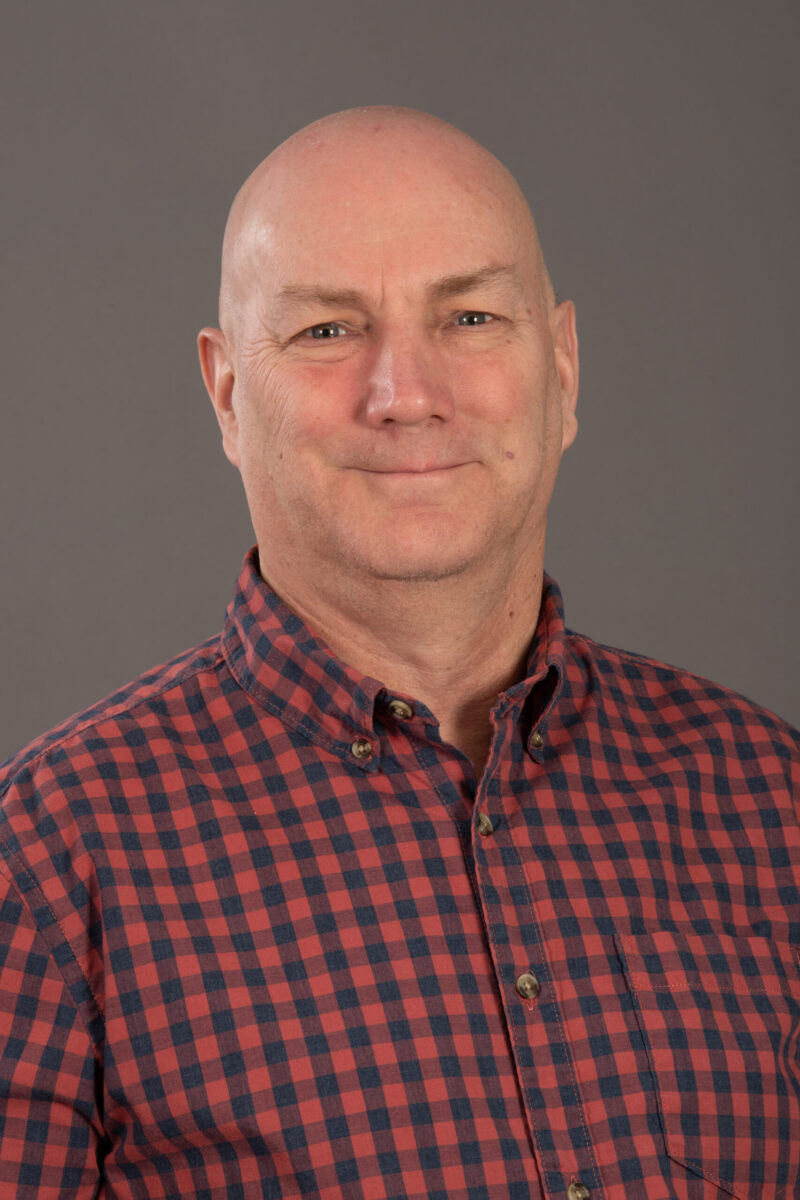
Introduction: Introduce yourself, your role, and how long you have worked with USA Ultimate.
I am Sam Callan and I work in the USAU Youth Department primarily overseeing the coaching education program. I have been with USAU since October 2019.
Program Creation: What was the core opportunity or underlying goal that inspired the creation of the Community Coach Program? It sounds like you were aiming for a specific type of user, can you describe who this program is specifically designed for?
We had heard from many disc organizations that one thing holding back growth of youth ultimate is a dearth of coaches. We cannot rely on only ultimate players, or former players, to meet the demand. As other emerging sports like lacrosse and soccer, when it started to boom, did was to recruit parents and others who had not played those sports but were involved because their kid(s) was interested.
The program is geared to giving a non-ultimate player enough information to be confident to go to a field with middle school age kids and introduce them to ultimate. We aimed the program at people who have expertise with kids but not ultimate. One subset of that group is women and specifically moms. They are an incredibly underrepresented group in coaching already.
“Experts in Kids, Not Ultimate”: You’ve mentioned the target is people who are “experts in kids but not in ultimate.” Why is it so crucial to empower parents, teachers, and other community members who may have limited ultimate experience to become the first point of contact for new players?

There are a whole lot more of them than there are ultimate players. A lot of people will have the transferable skills to keep kids engaged and take a positive approach. An important factor in getting kids to play ultimate is to make their first contact with the sport and the people in it a positive one. We really think an untapped resource here are moms. A mom often has to be asked many times to get involved in coaching; that burden is going to fall on the local disc organization and this training can aid in building the confidence of that mom to run a practice.
Content and Confidence: The program offers courses, practice plans, and videos. Which part of the training content do you believe is the most critical for equipping a novice community coach to take the field for the first time with confidence?
As much as I loved developing the content on coaching, the practice plans are so critical. Giving them the plan to be able to go to the field and run a few practices is probably the most crucial.
The Video Component: The training includes “Ultimate Rules!” videos featuring kids explaining the basic rules, as well as longer, coach-cut versions. What was the vision behind creating these specific resources, and how do they incorporate into the overall Community Coach training framework?
Hats off to Dan Raabe (USAU Youth Director) and Grant Boyd from California Ultimate in developing those. They were actually a separate project that we incorporated into the Community Coach program. Again, it is giving the community coach ways to teach the rules that takes the burden off of them. They can show the kids explaining the rules videos to the kids and use the coach version for their deeper understanding of the rules.
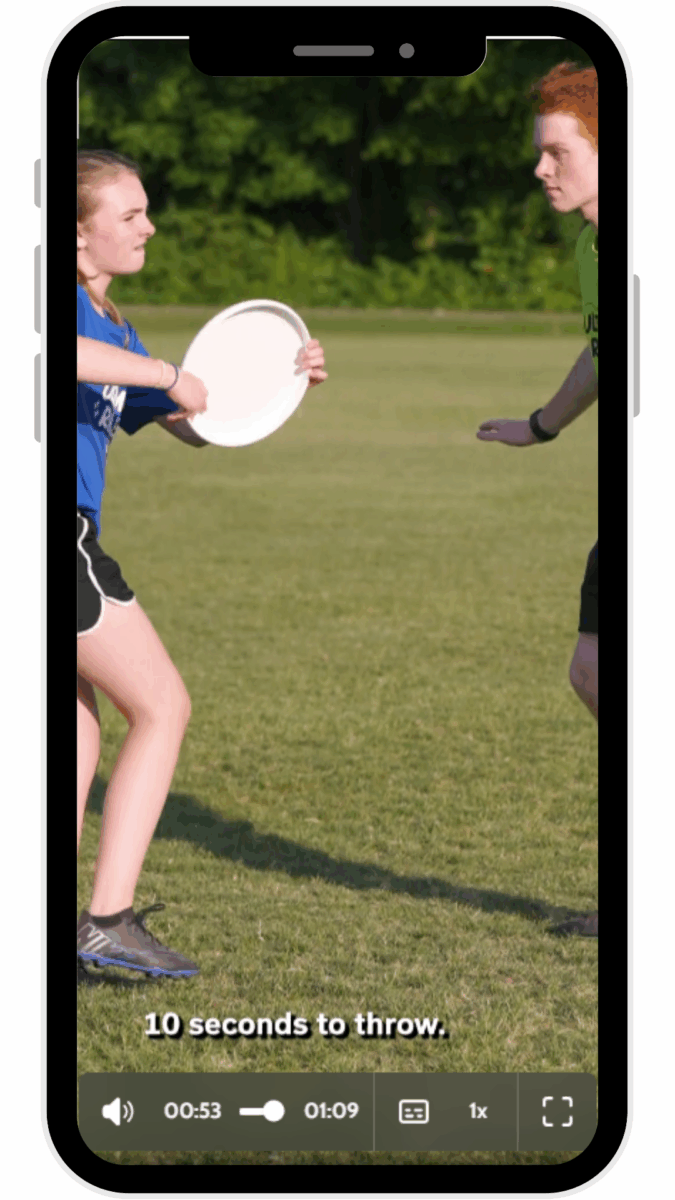
Desired Impact of Videos: What is the particular desired impact of using kids as the instructors in the short-form “Ultimate Rules!” videos? How do you hope this unique approach will affect new coaches and the young athletes they teach?
Kids can explain things in the language of other kids so much better than adults can. Kids likely will pay more attention to a peer than an adult droning on and on.
Importance of “Free”: The program is available for free on the USAU app and website. Why was the decision made to remove any cost barrier, and how does this action directly align with The Ultimate Foundation’s mission to champion ultimate for all backgrounds and identities and remove barriers to play?
We want this to be as barrier free as possible just as we want playing to be as barrier free as possible. We also kept the content short as time is a cost for people. In many ways the time element is probably more of a barrier than is the financial aspect.
We also wanted this to be available to people outside the “formal” ultimate structure such as multisport organizations like Boys and Girls Clubs (a great partner of ours) as we know a lot of ultimate is happening outside our sphere.
Fostering Access and Growth: How do you see this program aligning with The Ultimate Foundation’s updated funding priorities of “fostering access” and “growing youth” at the most fundamental grassroots level?
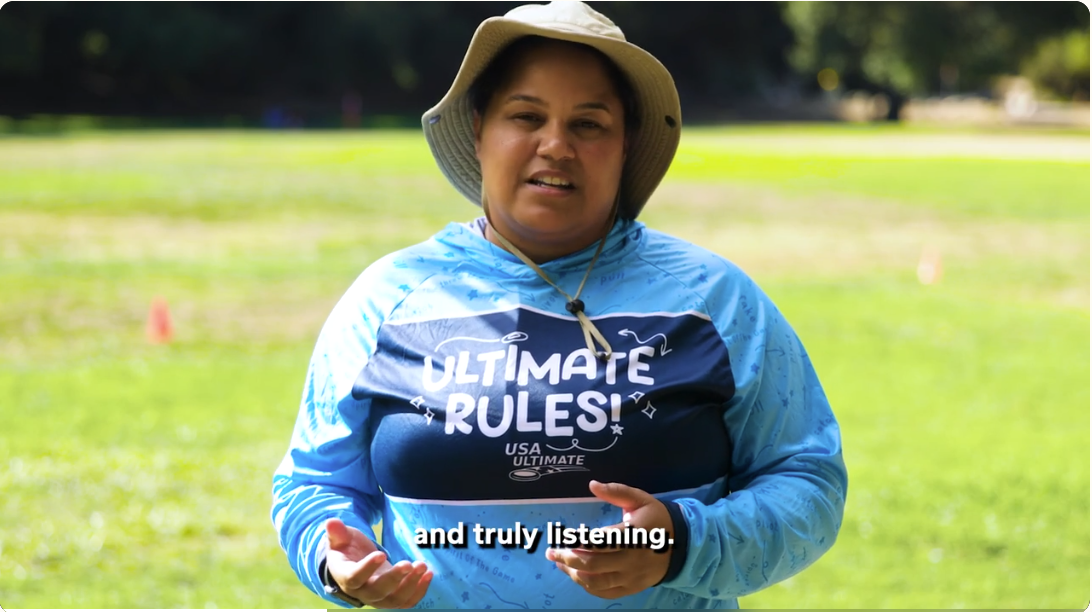
It is hard to access a sport with some adult guidance these days. Like many I grew up at a time when pick up games organized by us kids was commonplace. I would love to see us get more of that, but the reality is that often an adult leader is needed in order for kids to access sports and to grow like we want it to grow.
Ultimate’s Values: How does the Community Coach Program, designed for ultimate newcomers, ensure that the core values of integrity and Spirit of the Game are accurately and effectively taught to a new generation of players from the very first practice?
One of the great appeals of ultimate is SOTG and the idea of self-officiating. We take some time in the course content to introduce the concepts.
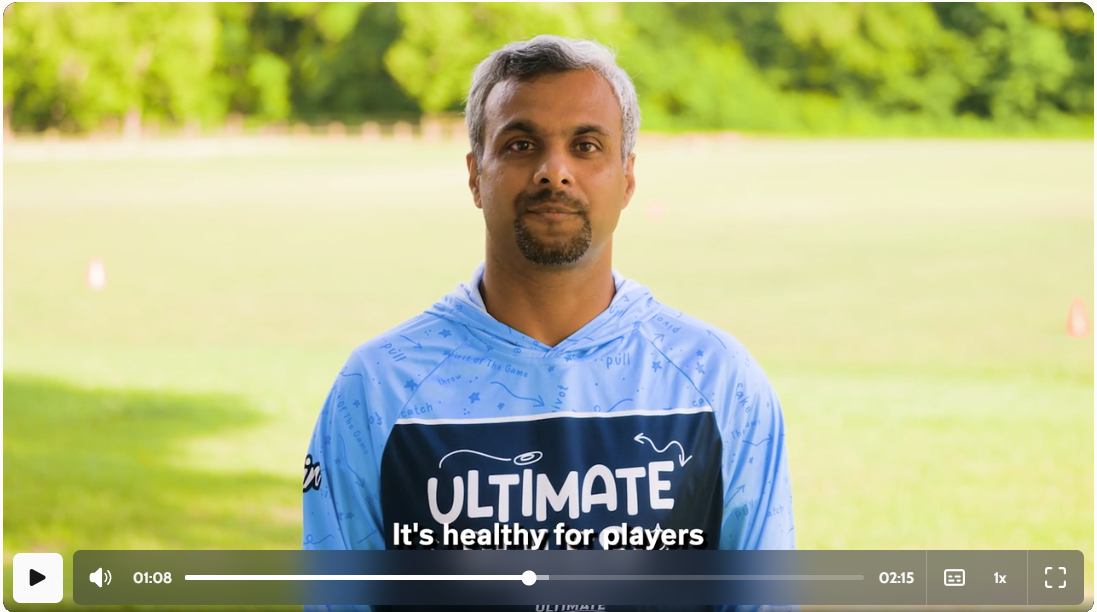
An interesting thing about working with ultimate coaches is that many played ultimate before there were coaches so they are very open to the idea of collaborating with the players. Other sports with longer histories of coaching often have a top down, hierarchical structure. That structure can lead to more of a dictatorial style of coaching. We want to keep the collaborative style of coaching; we call it transformational coaching in our trainings.
Thoughts on the New Foundation Language: What are your overall thoughts and reactions to The Ultimate Foundation’s updated vision, mission, and funding priorities language? What does it mean to you and your team to have the Foundation and the ultimate community supporting the updated funding priorities of “growing Youth” and “fostering access”?
Reducing the barriers to introducing ultimate to kids can open a lot of doors. Just as the Foundation seeks to reduce costs of playing, we want to reduce the cost of coaching so that each kid who tries ultimate has a positive experience. Some kids will fall for ultimate immediately; some might not but if they are exposed to it might return later. Perhaps they pursue other sport(s) and then rediscover it in college or after high school. If they had a bad experience at the start, it might deter them from trying again.
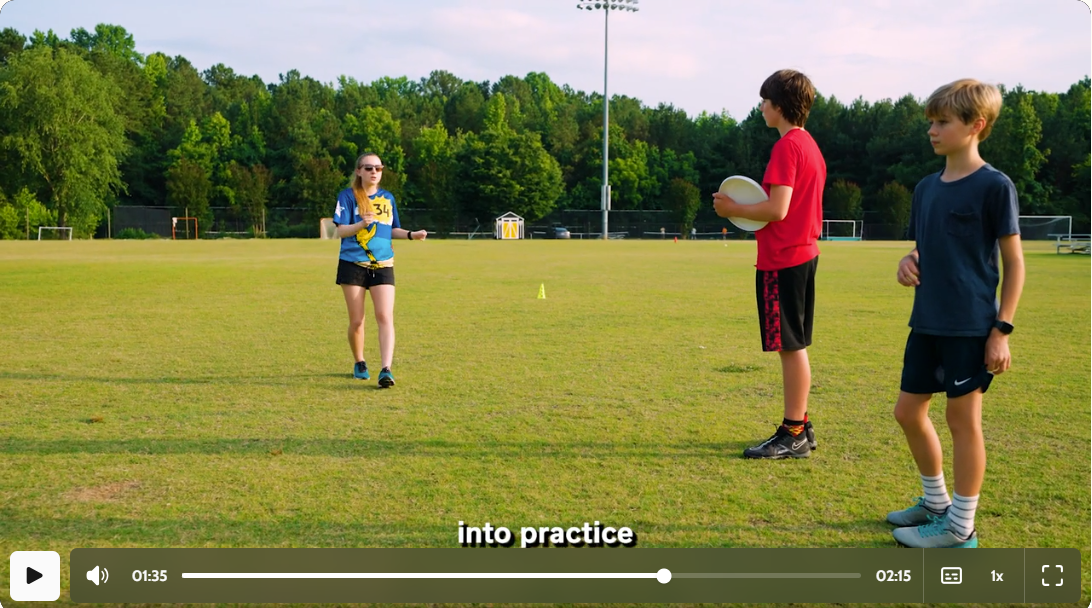
Community Collaborators: A project like this requires a significant team effort. Who were the key contributors, partners, or local programs involved in the development, production, and release of the Community Coach training materials that you would like to recognize and thank?
I have to start with Dan Raabe. His support and additions to the content were critical. Dan knows ultimate so well and not just the tactical aspect but what ultimate can bring to a kid’s life. As I mentioned before, Grant Boyd spearheaded the Ultimate Rules! Videos and also created the practice plans. Libby Cravens from Colorado developed the introduction to offense and defense videos. Then we had Jen Medearis Costello, Adam Lawson, Dani Lopez, and Kerrin McMurdie review the content. Some of whom represent our target audience.
Unlocking Ultimate for Everyone:
Your Investment in Our Shared Future
The success of the new USA Ultimate Community Coach Program powerfully illustrates The Ultimate Foundation’s renewed commitment to our community. Sam Callan and USA Ultimate have launched a free, essential tool that directly tackles the fundamental barrier to youth ultimate growth: the need for confident adult leaders.
By supporting The Ultimate Foundation, you are making a tangible investment in:
- Fostering Access: Removing the financial barrier to coaching by making the program FREE and accessible to parents, teachers, and non-ultimate players ensures more children, especially those outside traditional club structures (like in Boys and Girls Clubs), have a positive first experience with the sport.
- Growing Youth Ultimate: By empowering “experts in kids, not ultimate,” we build the necessary infrastructure, coaches, to meet the rising demand for the sport at the crucial grassroots level.
- Investing in Communities: We are building local ultimate ecosystems by training dedicated community members, creating a sustainable foundation for growth that transcends any single organization or elite player pool.
As the ultimate community continues to grow, we must ensure that every new player is introduced to the game and its core values through a positive, confidence-building experience.
Join us in making ultimate for everyone.